


Our Legislative Agenda
How to address critical issues facing Minnesota seniors in 2026.
The Long-Term Care Imperative is committed to working with caregivers, care providers, and Minnesota legislators to find policy solutions that improve accessibility to care, caregiver wages and benefits, and the strength of the long-term care system in our state.
These are the three solutions to the critical issues facing our Minnesota seniors in 2026.
1. No more cuts to funding
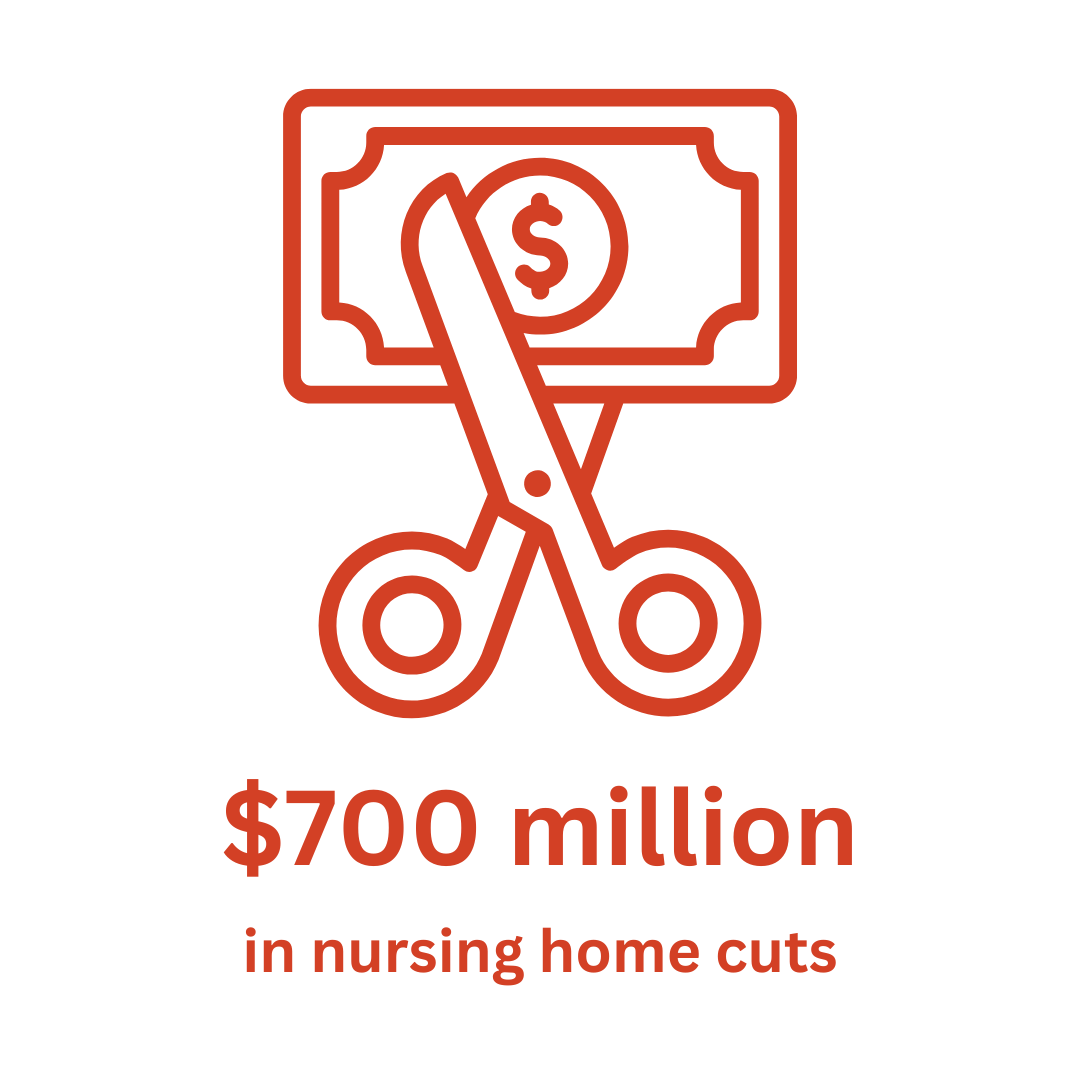
Governor Walz and legislators have failed to invest any adequate funding in long-term care or formulate a viable plan – the first Governor in the state’s history to not adequately invest in the care and wellbeing of Minnesota’s older adults and seniors. Now, with new unfunded spending mandates for long-term care providers, Minnesota is expected to see a 500-million-dollar funding gap for long-term care by 2029.
What do Minnesotans think?
76% of Minnesota voters oppose the Legislature cutting funding with 58% strongly opposing cuts. Opposition to cuts is strong across party lines.
Source: Fluence/Harper Polling, Dec. 2025
Assisted living providers have to meet over 500 state regulations on top of federal and city requirements. Restrictive red tape is preventing seniors from receiving the care they deserve. Urgent relief needs include:
2. Red Tape Relief
Allow attorneys’ fees to be recovered upon successful appeal of MDH and DHS decisions, the only state agencies lacking this accountability measure.
Update regulations that allow residents to call for staff assistance in line with modern solutions and technology.
Liberate seniors and providers from needing a municipal liquor license for resident social activities.
Repeal outdated ‘Housing with Services’ reference.
What do Minnesotans think?
In a 2025 healthcare workforce survey by the Minnesota Department of Health, “Paperwork Demand” was cited as the top reason for long-term caregiver dissatisfaction with their job.
Source: MDH, Feb. 2026